
In the hair care field, "natural minoxidil" is a frequently discussed topic. Many consumers hope to find a solution from nature that is equally effective but potentially gentler for promoting hair growth.
So, does such a natural ingredient truly exist? The answer is: No single plant extract can completely replicate the chemical structure and pharmacological potency of Pure Minoxidil Powder. However, scientific research has indeed identified several natural ingredients that show promising results in promoting hair growth through different mechanisms.
This article provides a science-based, objective comparison between minoxidil and three key natural ingredients: rosemary oil, saw palmetto, and pumpkin seed oil.
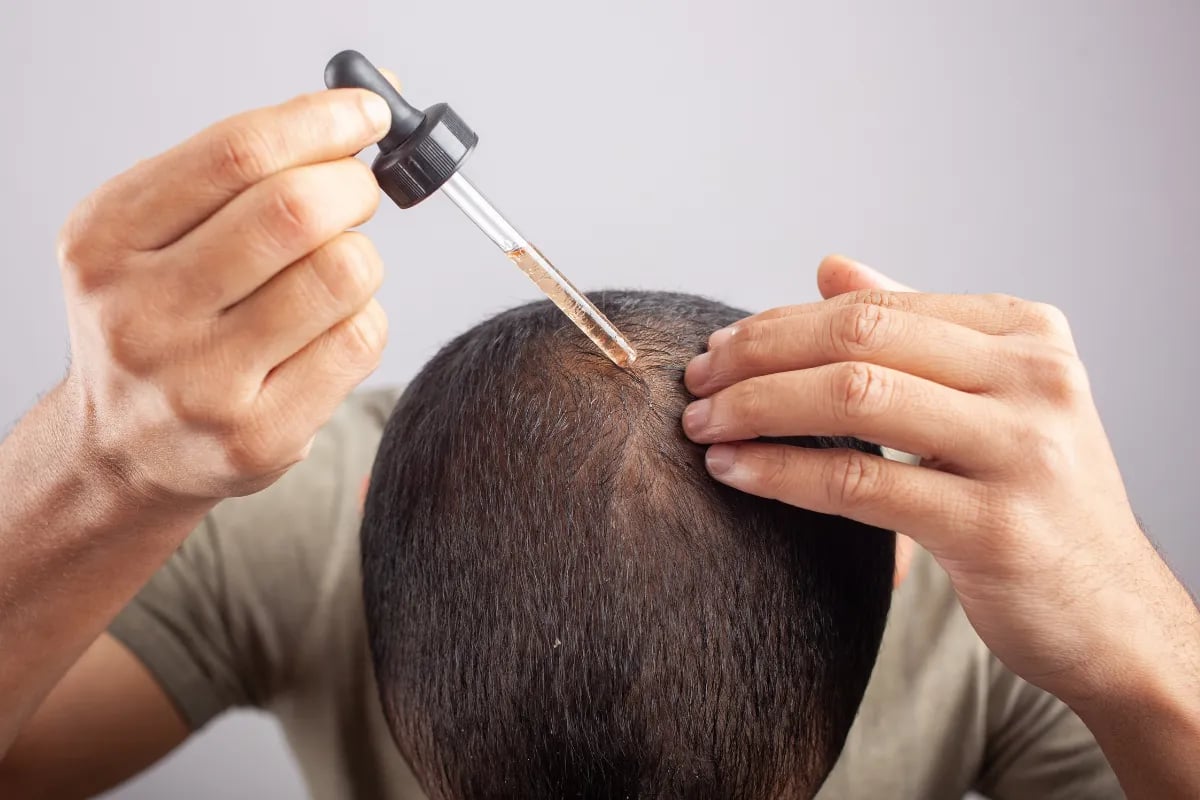
Understanding the Basics – How Do Minoxidil and Natural Ingredients Work Differently?
To compare the two, it's essential to first understand how they function.
The Core Action of Minoxidil
Pure Minoxidil Powder is a synthetic compound. Its primary job is to "awaken" dormant hair follicles. Specifically, it promotes the formation of capillaries around the hair follicles, thereby delivering more oxygen and nutrients. This is akin to improving the irrigation system for a barren piece of land, allowing previously struggling plants to regain vitality. For this reason, minoxidil is widely regarded as one of the "gold standards" for stimulating hair growth.
The Common Actions of Natural Ingredients
In contrast, most natural plant extracts with hair growth benefits tend to work further "upstream." They usually do not directly stimulate follicle growth. Instead, they create a better scalp environment through several pathways:
Inhibiting DHT (dihydrotestosterone) – a key androgen responsible for follicle shrinkage.
Improving local blood circulation in the scalp.
Reducing chronic inflammation around the follicles.
In other words, natural ingredients are more like "improving soil quality" or "removing weeds," while minoxidil is like directly "applying growth fertilizer."
Understanding this fundamental difference makes it clear that: Natural ingredients and minoxidil are better suited to work synergistically, rather than being mutually exclusive alternatives.
Core Comparison – Minoxidil vs. Three Natural Ingredients
The table below summarizes the differences between these four hair growth options across multiple dimensions.
| Comparison Dimension | Minoxidil (2% or 5%) | Rosemary Oil | Saw Palmetto | Pumpkin Seed Oil |
|---|---|---|---|---|
| Source | Synthetic compound | Steam-distilled from rosemary plant | Extract from saw palmetto berries | Cold-pressed from pumpkin seeds |
| Core Mechanism | Directly stimulates follicle growth, prolongs growth phase | Improves scalp microcirculation, anti-inflammatory | Inhibits 5-alpha-reductase, reduces DHT production | Inhibits 5-alpha-reductase, antioxidant |
| Key Research Finding | Dozens of large RCTs confirm efficacy; highest level of evidence | One study showed no statistical difference in efficacy from 2% minoxidil after 6 months | After 24 weeks of topical gel, hair count increased >10% in 60% of subjects (vs. 35% for placebo) | After 24 weeks of oral intake, average hair count increased by 40% (vs. 10% for placebo) |
| Common Usage | Topical solution or foam, 1-2 times daily | Diluted topical massage oil, 1-2 times daily | Topical gel or oral supplement | Oral softgel capsules |
| Expected Onset Time | 4-6 months | 3-6 months | 3-6 months | Approximately 6 months |
| Main Advantage | Most effective, extensive clinical validation | Very few side effects, lower cost | Mechanism directly targets a core cause of hair loss (DHT) | Convenient oral intake, provides additional nutritional benefits |
| Main Limitation | Requires continuous use; initial "shedding phase" possible; contact dermatitis | Lacks large-scale replication studies; weaker efficacy when used alone | Bioavailability concerns; rare reports of side effects | Research data only available for males |
The table clearly shows that while natural ingredients lack the depth of evidence that minoxidil has, they are not without scientific basis.
Brief Overview of Three Key Natural Ingredients
1. Rosemary Oil: Comparable to Low-Concentration Minoxidil
Rosemary oil contains active compounds (such as 1,8-cineole and ursolic acid) that possess good vasodilating and anti-inflammatory properties, aligning closely with minoxidil's concept of improving microcirculation. In a 2015 randomized controlled trial lasting 6 months, there was no statistical difference in hair count increase between participants using rosemary oil and those using 2% minoxidil. Furthermore, the rosemary oil group reported significantly less scalp itching. Rosemary oil is particularly suitable for individuals who are intolerant to minoxidil formulations or are in the very early stages of hair loss.

2. Saw Palmetto: A Natural DHT Modulator
Saw palmetto is an extract from the fruit of a dwarf palm tree native to the southeastern United States. It has been shown to inhibit the activity of the 5-alpha-reductase enzyme – the key catalyst that converts testosterone into the potent androgen DHT. Persistent DHT attack on hair follicles is the core cause of androgenetic alopecia. In a 2012 study, 60% of men with hair loss using a saw palmetto gel experienced over a 10% increase in hair count after 24 weeks, compared to only 35% in the placebo group. Saw palmetto is suitable for men who wish to reduce DHT-related damage at the source but are concerned about the side effects of prescription drugs.
3. Pumpkin Seed Oil: An Emerging Plant-Based Anti-Androgen
Pumpkin seed oil is rich in phytosterols (especially beta-sitosterol) and antioxidants, allowing it to competitively inhibit the activity of the 5-alpha-reductase enzyme. A 2014 study over 24 weeks showed that men taking 400mg of pumpkin seed oil capsules daily experienced an average 40% increase in hair count, compared to just 10% in the placebo group. This result is quite prominent among similar natural ingredient studies. Pumpkin seed oil is typically used as an oral dietary supplement, particularly suitable for men with androgenetic alopecia accompanied by significant scalp oiliness. It is important to note that current research data is limited to male subjects.
Summary
- For diagnosed cases of moderate to severe androgenic alopecia, no natural ingredient can serve as a complete substitute for minoxidil. Minoxidil targets the underlying mechanisms more directly and is supported by a more extensive body of evidence.
- For users experiencing mild hair loss, seeking preventive maintenance, or unable to tolerate the side effects of minoxidil, rosemary oil, saw palmetto, and pumpkin seed oil represent evidence-based options worth considering.
- Natural ingredients and Pure Minoxidil Powder are best utilized in synergy rather than as mutual substitutes; their mechanisms of action are complementary.
Quality guaranteed, stock ready, place your order now!
My email:sales4@lymallpanda.com
WhatsApp:+86 15353955739