

Products Description
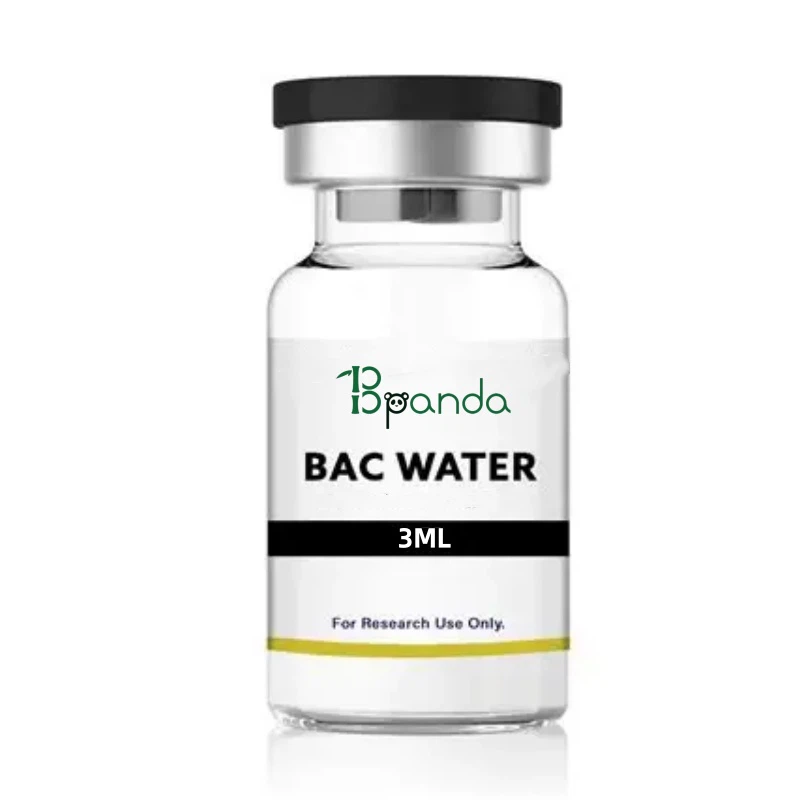
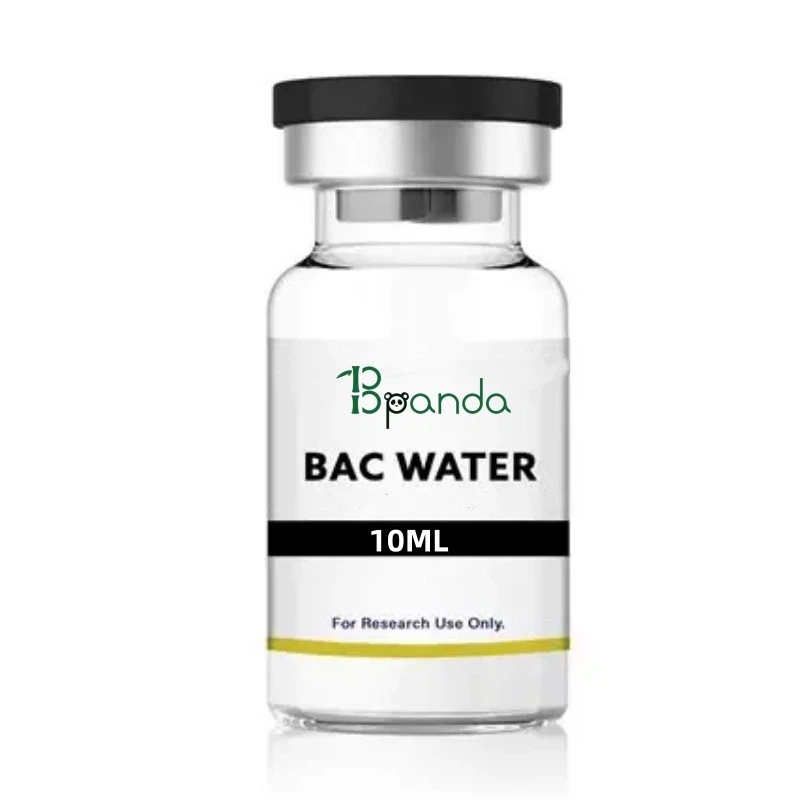
Bacteriostatic water (often called Bac water or antibacterial water) is a preservative-containing sterile water specifically designed for injection. Its key feature is that it can be drawn from the same container multiple times for reuse, while ordinary sterile water must be discarded immediately after opening.
The reason ordinary sterile water for injection must be discarded immediately after opening is that it contains no preservatives. Once the cap is punctured, the needle or air may introduce trace amounts of bacteria, and the pure water environment is an ideal culture medium for bacterial growth-at room temperature, a single bacterium can multiply to millions within hours. Using it after this is tantamount to directly injecting a high concentration of bacterial suspension into the body, which can cause injection site abscesses, sepsis, or even septic shock. Bac Water 3ml solves this problem by adding 0.9% benzyl alcohol: benzyl alcohol continuously inhibits the growth of accidentally introduced bacteria, allowing the same bottle of fluid to be safely drawn from multiple punctures under proper procedures.
It is the presence or absence of this less than 1% preservative that determines whether a product is a "disposable consumable" or a "reusable storage solution".
Benefits of Bacteriostatic Water For Injection
Core Benefits: Supports Multiple Dosings, Reduces Waste
This is its most prominent advantage. Due to the addition of 0.9% or 1.1% benzyl alcohol as an antibacterial preservative, it effectively inhibits bacterial growth. Therefore, under proper aseptic conditions, a single bottle of Bac Water 3ml can be drawn multiple times via puncture and safely used for up to 28 days after opening. This avoids the waste caused by the immediate disposal of ordinary sterile water after opening, making it particularly suitable for the dissolution or dilution of medications requiring multiple small-dose administration (such as peptides and hormones).
Clinical Applications: Designed for Drug Reconstitution and Dilution
Its officially approved use is as a solvent for dissolving or diluting powdered or concentrated medications intended for injection, for intravenous, intramuscular, or subcutaneous administration. In home care or outpatient settings, this multi-day use capability provides significant convenience for patients who need to self-administer medications.
Laboratory Research: Providing a Sterile and Reliable Solvent
In the research field (for research use only, RUO), antibacterial solutions are widely used for reconstitution of sensitive biological reagents such as peptides, proteins, and antibodies due to their sterile and non-pyrogenic properties. The presence of benzyl alcohol prevents contamination of the reagent during repeated use, thus ensuring the reliability and reproducibility of experimental results.

Why You Choose Lymall Bpanda's Bac water?
Bacteriodtatic
Shaanxi Lymall Bpanda Tech Co.,Ltd.
Convenient Small Volume
The 3 ml size is perfect for short-term use or travel, reducing waste associated with larger vials.
Multi-Dose Safety
Contains 0.9% benzyl alcohol, which prevents bacterial growth for up to 28 days after the first puncture, allowing for safe, repeated use.
Pharmaceutical Quality
It is sterile, filtered, and manufactured to meet high medical standards, ensuring safety for reconstitution.
Precise Solvent for Peptides/Research
Specifically designed for mixing and dissolving powdered substances (like peptides or hormones) accurately for research or clinical purposes.
Easy Portability
Its compact glass vial fits easily into a medical kit or purse, making it ideal for users who need to mix medications on the go.
Reliable Packaging
The vial comes with a sterile, airtight rubber stopper and a flip-off cap, maintaining the integrity of the water until the moment it is used.
Key Warnings and Restrictions
1. Strictly Prohibited for Newborns
Newborns' liver metabolism is far from mature and cannot effectively break down benzyl alcohol. Accumulation of benzyl alcohol in the body can cause gasping syndrome: The infant exhibits gradually shallow and slow breathing, developing sighing respiration, followed by hypotonia, convulsions, metabolic acidosis, and ultimately death from multiple organ failure. This is the highest level black box warning from the FDA; any injectable preparation containing benzyl alcohol (including antibacterial solutions) must never be used on newborns (usually infants under 28 days old). For this population, single-dose sterile water or saline solution without any preservatives must be used.
2. Not for Direct Intravenous Injection
The osmotic pressure of antibacterial solutions is almost zero, while the osmotic pressure of human blood plasma is approximately 290 mOsm/L. Direct intravenous injection would cause a large influx of water into red blood cells due to the huge osmotic pressure difference. The red blood cells would rupture due to over-expansion, resulting in hemolysis. Hemolysis releases large amounts of hemoglobin and intracellular potassium ions: hemoglobin can clog renal tubules, leading to acute renal failure; hyperkalemia can cause fatal arrhythmias or even cardiac arrest. Therefore, antibacterial solutions must never be administered intravenously alone; they must first be mixed with the drug powder-the dissolution of the drug usually raises the osmotic pressure of the solution to a safe range before injection. For simple fluid replacement, normal saline or glucose solution should be used.
Hot Tags: bac water 3ml, China bac water 3ml manufacturers, suppliers, factory