

Products Description
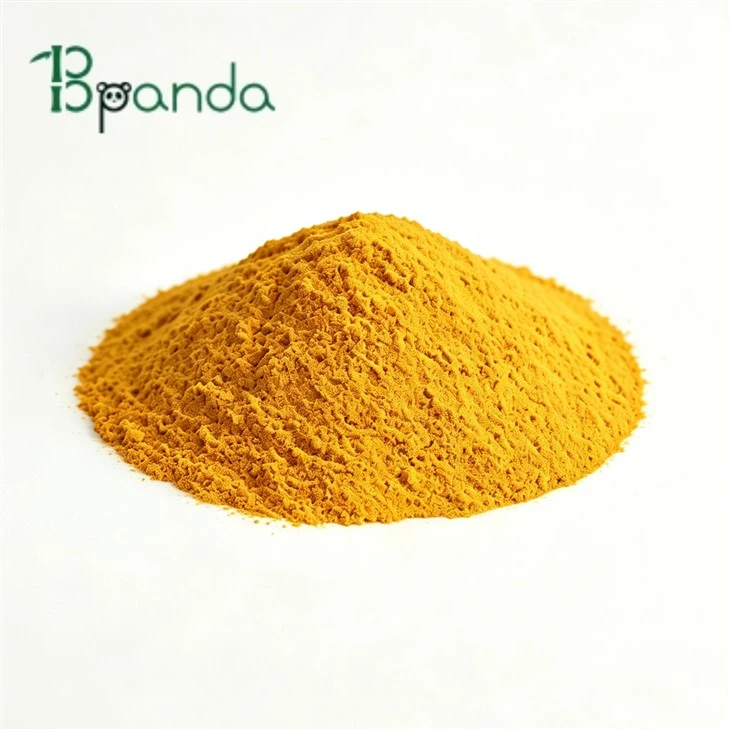
SANA Powder (CAS 42571-07-3) is an experimental small molecule compound currently in early clinical development. Its core positioning is as a first-in-class creatine-dependent thermogenesis activator for fat loss and metabolic improvement. It promotes energy expenditure by activating a unique thermogenesis pathway in adipose tissue that is independent of the UCP1 protein. In animal studies, it has demonstrated superior weight loss and blood sugar control effects compared to salicylic acid and metformin, with an effective dose approximately 40 times lower than salicylic acid. A completed Phase 1A/B human clinical trial has preliminarily validated its safety and tolerability, and improved weight and insulin resistance were observed during a 15-day oral administration period.
Quality Control
1. Raw Material Testing (Incoming Inspection)
Incoming inspection employs HPLC and MS to verify compound identity, purity (R&D grade ≥98%), and key impurities, ensuring material quality meets standards from the source.
2. In-process QC
Real-time monitoring of process parameters and intermediates is conducted during synthesis. In Phase I trials, dose escalation (200–800 mg), double-blind placebo-controlled regimens, and PK analysis from blood samples served as in-process controls to ensure safety and predictable exposure.
3. Finished Product
- Testing Purity Testing: High-performance liquid chromatography (HPLC) is used to determine the purity of the finished product, with a research-grade standard requirement of >98%.
- Microbiological and Endotoxin Testing: Bacterial endotoxin (BET) testing is performed according to pharmacopoeia standard methods (gel method or dynamic turbidimetric method) to ensure compliance with microbiological limits for injectable or oral formulations.
- Heavy Metals and Residual Solvents: Risk assessment and limit control are conducted for potentially genotoxic impurities, heavy metals, and residual process solvents, following guidelines such as ICH Q3D, to ensure compliance with drug safety standards.
4. Testing Equipment (HPLC/GC-MS)
In terms of testing equipment, HPLC is the core component for determining the purity of main components and analyzing impurity profiles. GC-MS is used as an auxiliary method for the quantitative detection of volatile organic residual solvents and potentially genotoxic impurities. ICP-MS and endotoxin detectors are further used to screen for heavy metals and microbial indicators.
| TEST | SPECIFICATION | RESULT | METHOD |
|---|---|---|---|
| 1. Identification | |||
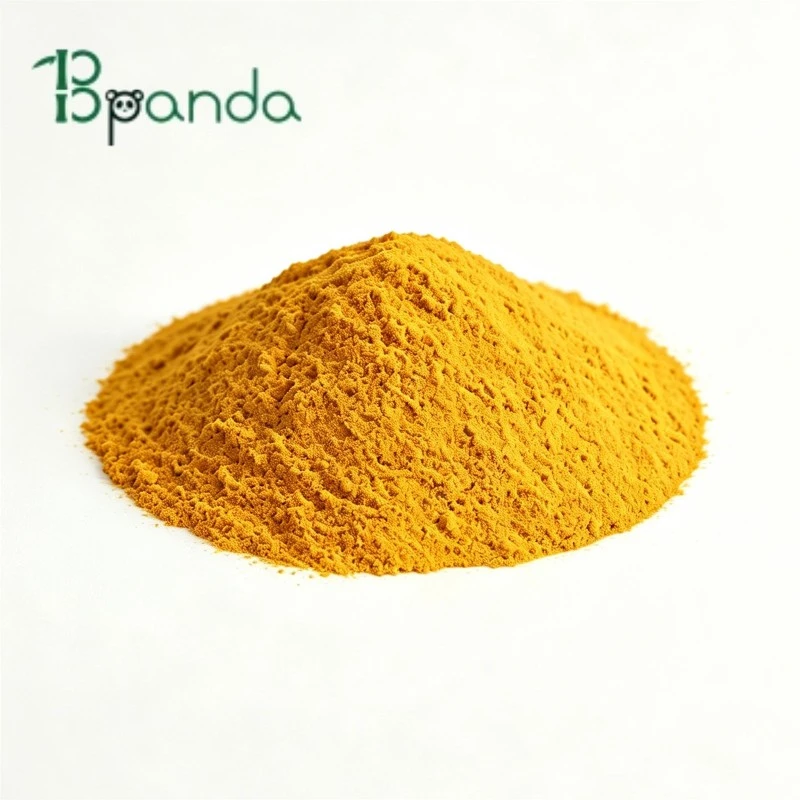
| 1.1 Appearance | Off-white to light yellow solid powder | Conforms | Visual Inspection |
| 1.2 HPLC Retention Time | Retention time matches reference standard | Conforms | HPLC |
| 1.3 Mass Spectrometry | Molecular ion [M-H]⁻ m/z 208.1 consistent with structure | Conforms | LC-MS |
| 2. Purity | |||
| 2.1 Assay (HPLC) | ≥ 98.0% | 98.5% | HPLC (Area%) |
| 2.2 Single Maximum Impurity | ≤ 0.5% | 0.3% | HPLC (Area%) |
| 2.3 Total Impurities | ≤ 2.0% | 1.5% | HPLC (Area%) |
| 3. Residual Solvents | |||
| 3.1 Residual Solvents (e.g., DMSO, Ethanol) | Meets ICH Q3C guidelines | Conforms | GC-MS |
| 4. Elemental Impurities / Heavy Metals | |||
| 4.1 Heavy Metals (Pb, As, Hg, Cd) | Meets ICH Q3D guidelines | Conforms | ICP-MS |
| 5. Microbial Limits | |||
| 5.1 Total Aerobic Microbial Count | ≤ 1000 CFU/g | Conforms | Plate Count |
| 5.2 Total Yeast & Mold Count | ≤ 100 CFU/g | Conforms | Plate Count |
| 5.3 Bacterial Endotoxins | ≤ 10 EU/mg (as applicable for research) | Conforms | LAL Test |
| 6. Water Content (Karl Fischer) | ≤ 1.0% | 0.5% | Coulometric Titration |

Production Process
- Chemical Synthesis and Purification: Prepared via a chemical synthesis route using salicylic acid derivatives, involving reactions such as nitration and condensation, followed by separation and purification using extraction, crystallization, or chromatography techniques.
- Filtration/Concentration/Drying Process: Insoluble impurities are removed through solid-liquid separation, solvent is recovered through vacuum concentration, and finally, a dry powder is produced by spray drying or freeze drying.
- Mixing/Homogenesis/Standardization Process: The dried API is mixed with excipients in a specified ratio and homogenized. Content is determined by HPLC to ensure batch-to-batch consistency.
- Filling and Packaging: Dispensing, sealing, labeling, and outer packaging are completed in a fully enclosed, aseptic environment to ensure product storage stability.
- Process Parameter Control: Key parameters such as temperature, time, solvent ratio, and pH are precisely set and monitored, with HPLC purity (>98%) used as the process endpoint.
- Automated Control System: A PLC automated control system, combined with a SCADA system, enables real-time monitoring, data recording, and alarm management of parameters such as temperature, pressure, and flow rate, operating according to SOP specifications.
Products Description
1.Current Supply Sources
As an investigational compound, SANA Powder is currently supplied primarily to laboratories and clinical research facilities through chemical synthesis. Our company provides standard milligram-level packaging (5mg, 10mg, 50mg, 100mg) and can accept bulk custom orders.
2.Supply Stability and Inventory
We have a large inventory and can ship quickly.
3.R&D Progress and Long-Term Cooperation Prospects
SANA Powder development has progressed to Phase I clinical trials, with Phase 1A/B trials expected to be completed in 2025. Larger-scale Phase II clinical trials are planned. This means that from a long-term cooperation perspective, as clinical trials progress, the synthesis process will be continuously scaled up and optimized, and future production capacity and supply chain maturity are expected to improve.
4.Focus on issues
- Will there be a supply disruption? - We currently have ample inventory, so the risk of supply disruption for basic experimental needs in the short term is low. However, large-scale commercialization requires prior consultation.
- Is the quality stable? - Purity ≥ 98% (HPLC)
- Is long-term cooperation possible? -Current procurement is for laboratory research purposes. For large-scale needs, please contact us.
Hot Tags: sana powder, China sana powder manufacturers, suppliers, factory, mounjaro trial results, mounjaro weight loss medicine, ozempic injections, tirzepatide average weight loss, tirzepatide dose for weight loss, weight loss wegovy


